





Description
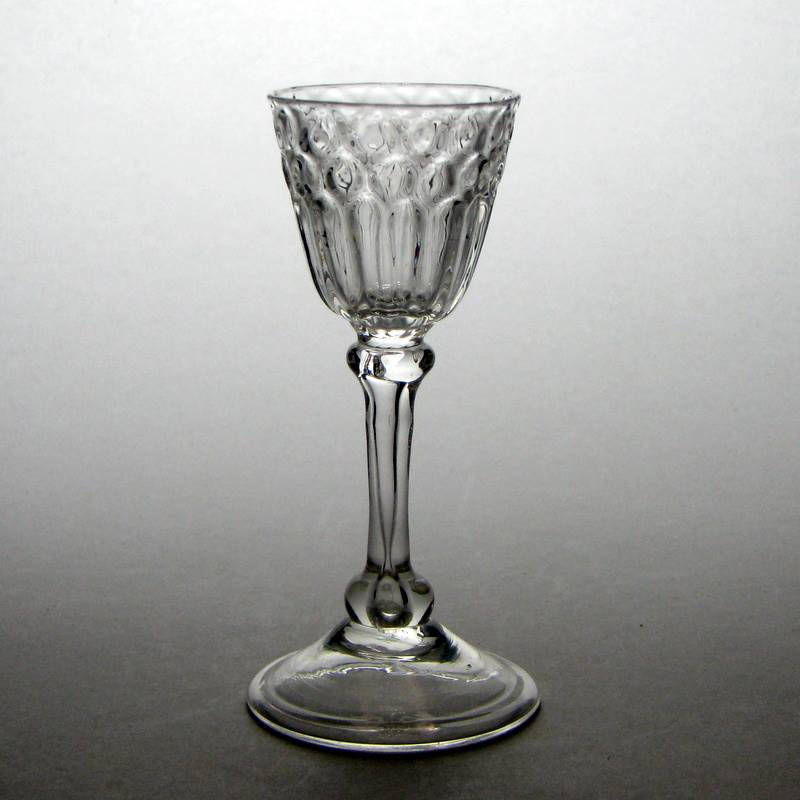
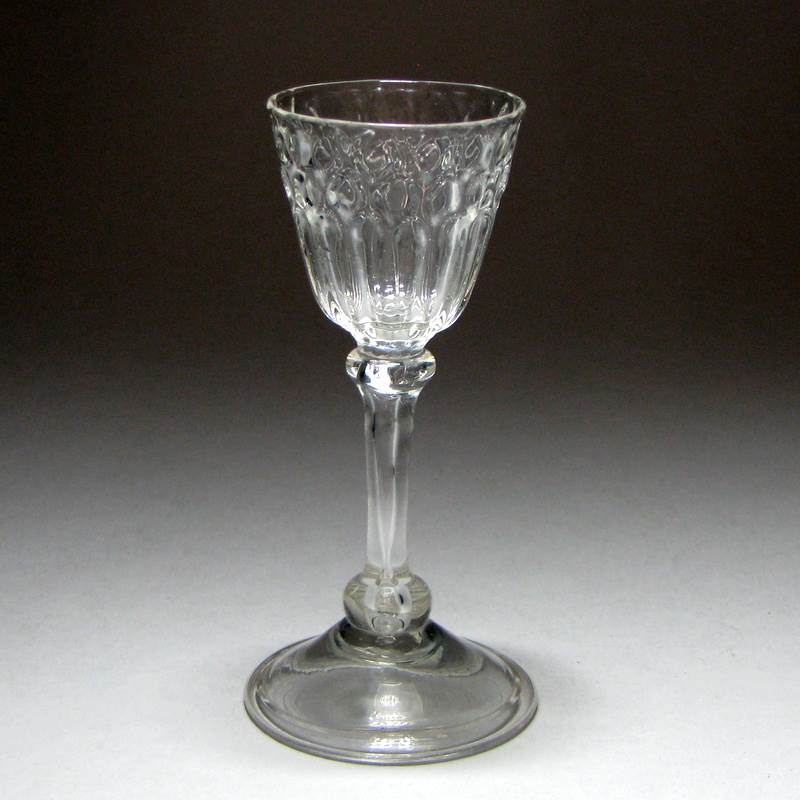
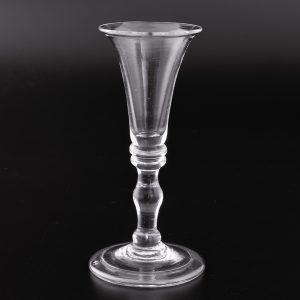
Heading : 18th Century Nizet-Liege gin glass
Date : c1720
Origin : Liege. Belgium
Colour : Clear
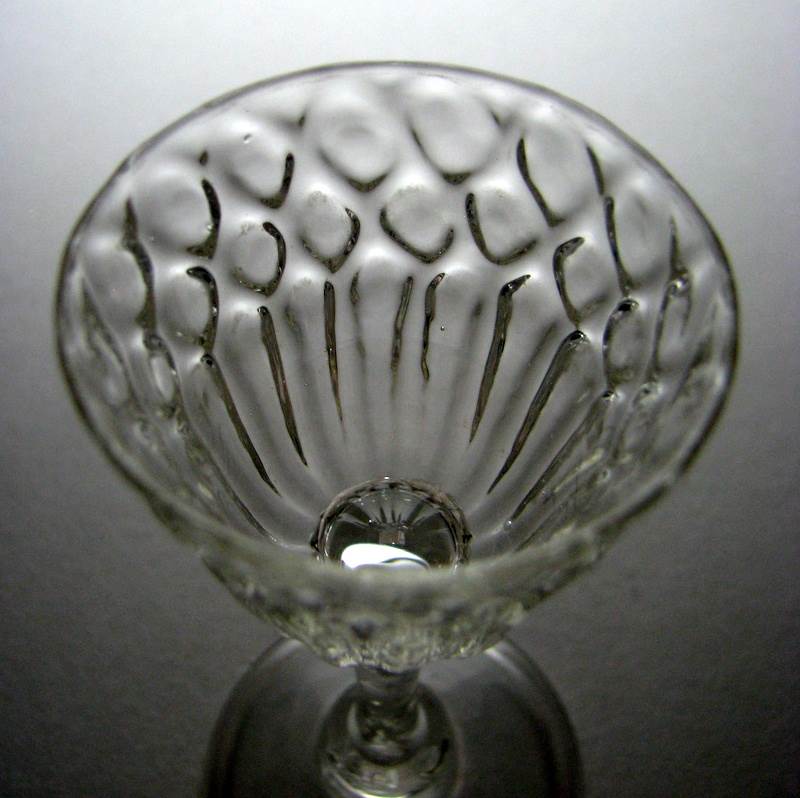
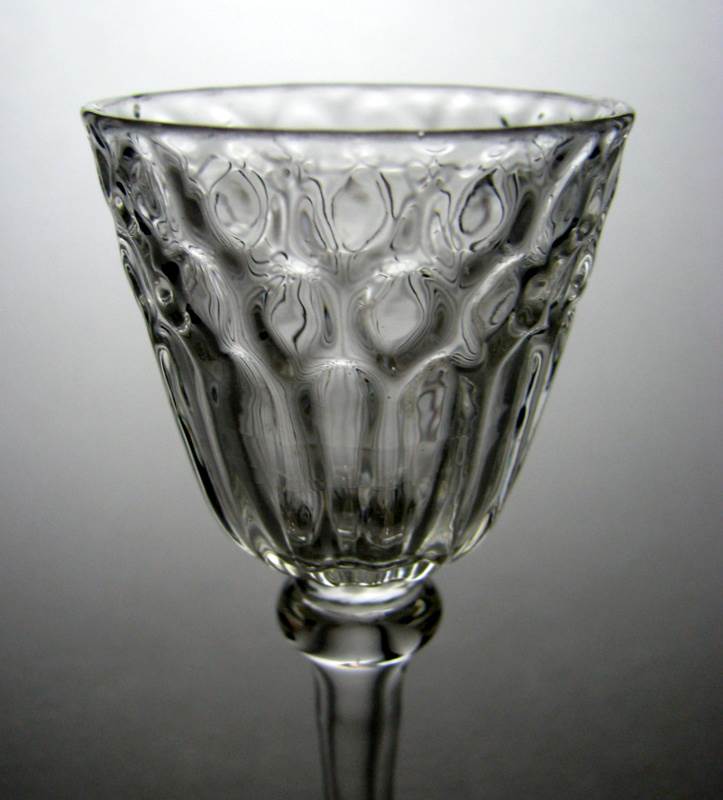
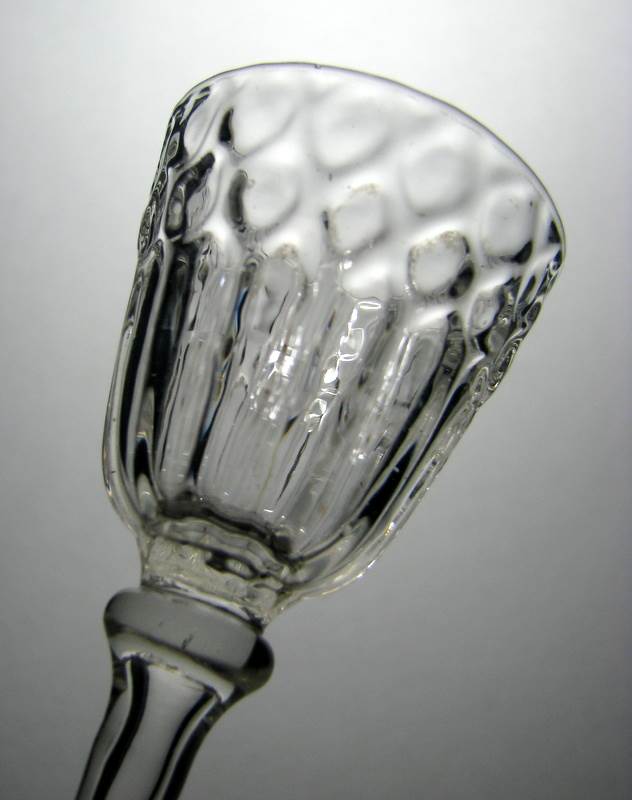
Bowl : Round funnel. Bands of “strawberry” moulding above rib moulding
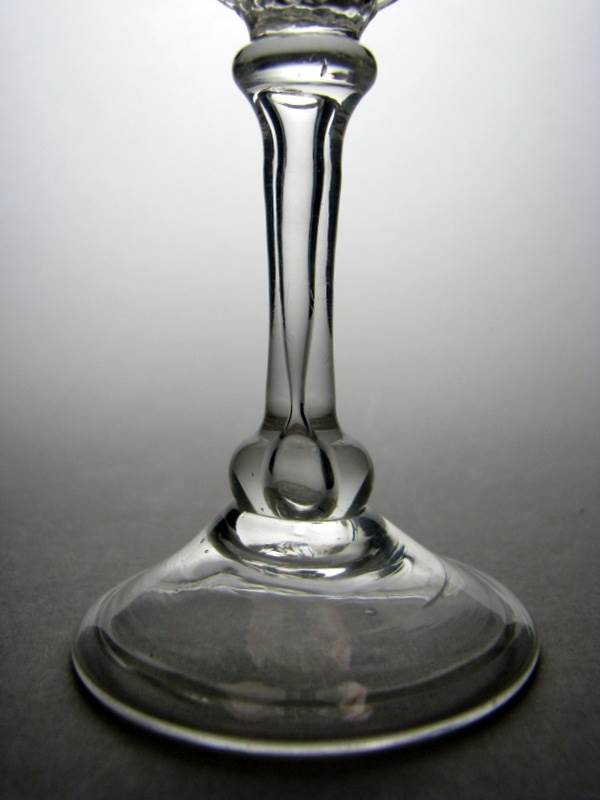
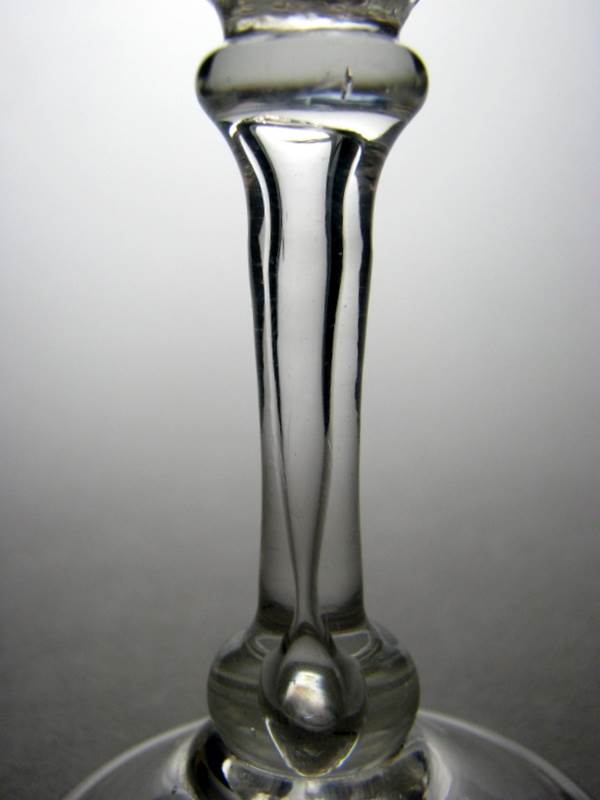
Stem : Shoulder and basil knops with an elongated air tear which swells into the basal knop
Foot : Conical & folded
Pontil : Snapped
Glass Type : Low lead
Size : 5 1/8 inches tall with a 2 3/16 inch bowl and 2 ½ inch foot
Condition : Excellent. no chips or cracks
Restoration : None
Weight : 59 Grams
This is Liègeois and can be attributed to the Nizet glasshouse. Some time around 1710. Nizet. formerly a wine dealer. established a glasshouse which rapidly overtook the fine glass business from the Bonhomme glasshouse. His invention was to introduce a thicker (more durable) and more limpid glass that used by the Bonhommes. who still produced glass in the Façon d’Altare. Nizet was inspired by the English lead glass and his glasses (except those produced when production first began) contain a low level of lead oxide.
During the second half of the 17th century. the Bonhommes generated most of their revenue from the production of simple. small glasses. The production of luxury Façon de Venise glasses was already on the wane. This may in part be attributed to poor economic conditions due to a series of French invasions of Southern Netherlands. the last wave of which took place in the War of the Spanish Succession (1701-1714). Style and practicality may also have played a role consumers desired practical smaller glasses in which to enjoy their wine and in economical portions. With the coming of Nizet. the production of the most luxurious “verres d’apparat” was ceased altogether in the Low Countries and was left mostly to Bohemia. Germany and later England.
These glasses are successors of thinner verres de fougère produced in France. the Southern Netherlands and probably even in England. In the Low Countries they were made to enjoy Burgundy wine. This was imported from Burgundy by the river Meuse. It is believed that the ships returned to France loaded with Nizet glasses from Liège. It seems that they were very popular within the region and goes some way to explain why many reside in French collections.
These glasses have a stretched air tear in the stem. The shoulder knop is flattened (would have evolved from a merese) and the stem is smooth. The flute and moulding is exactly the same as can be found (more superficially of course) on many of the old fern glasses
http://www.musee-arts-de-la-table.fr/nouveautes/87-verre-a-vin.html
These are indeed called “verres fraisés”. When filled with Burgundy wine. which was probably of a lighter red than now. the bowls do indeed have a resemblance to strawberries!

Reviews
There are no reviews yet.