
Description
Material: Clay, terracotta
Period: Iron age
Date: c1200-1000BC
Origin: Mediterranean , almost certainly Cyprus.
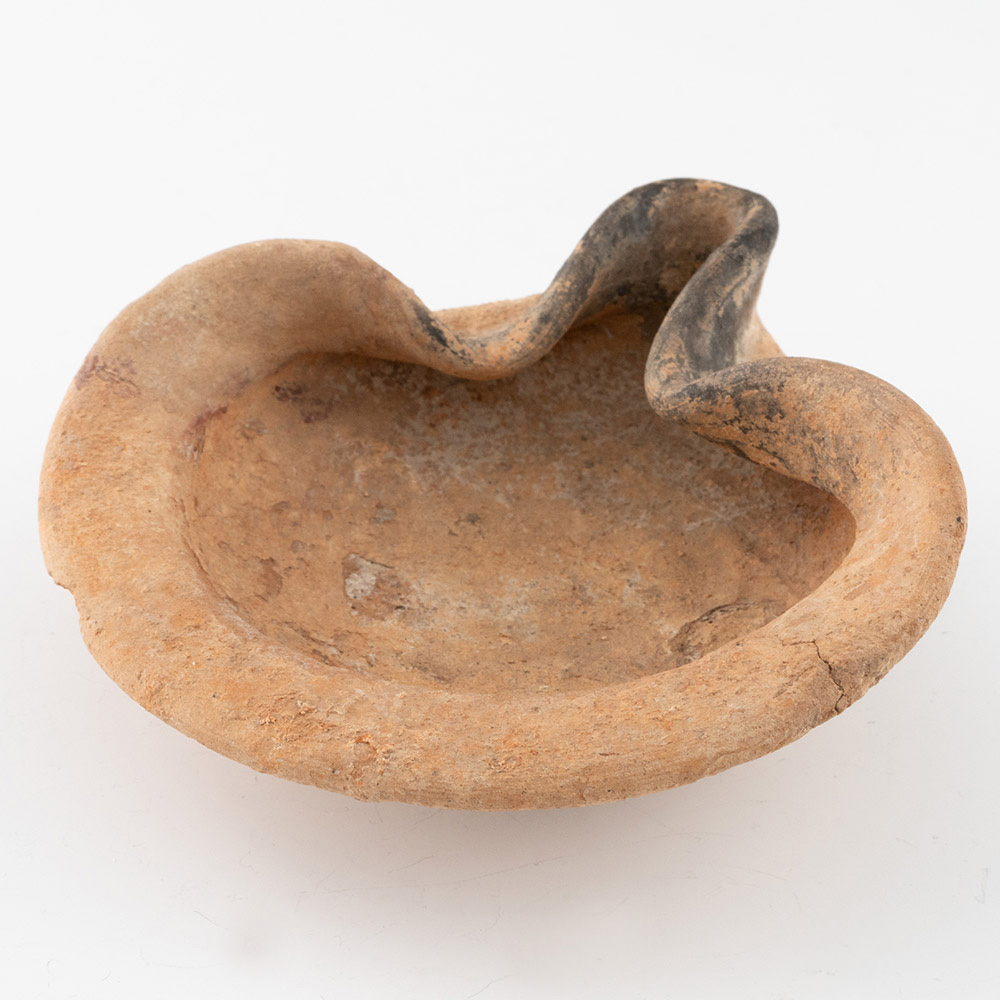
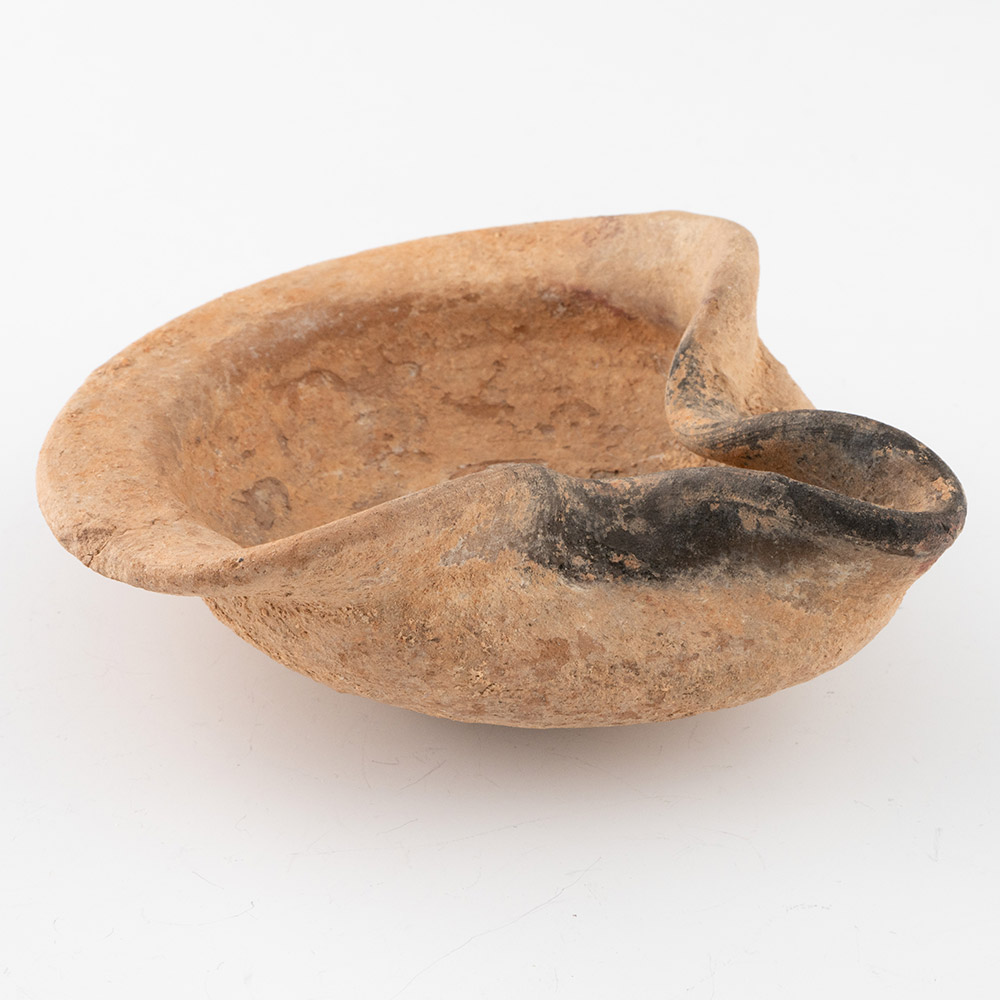
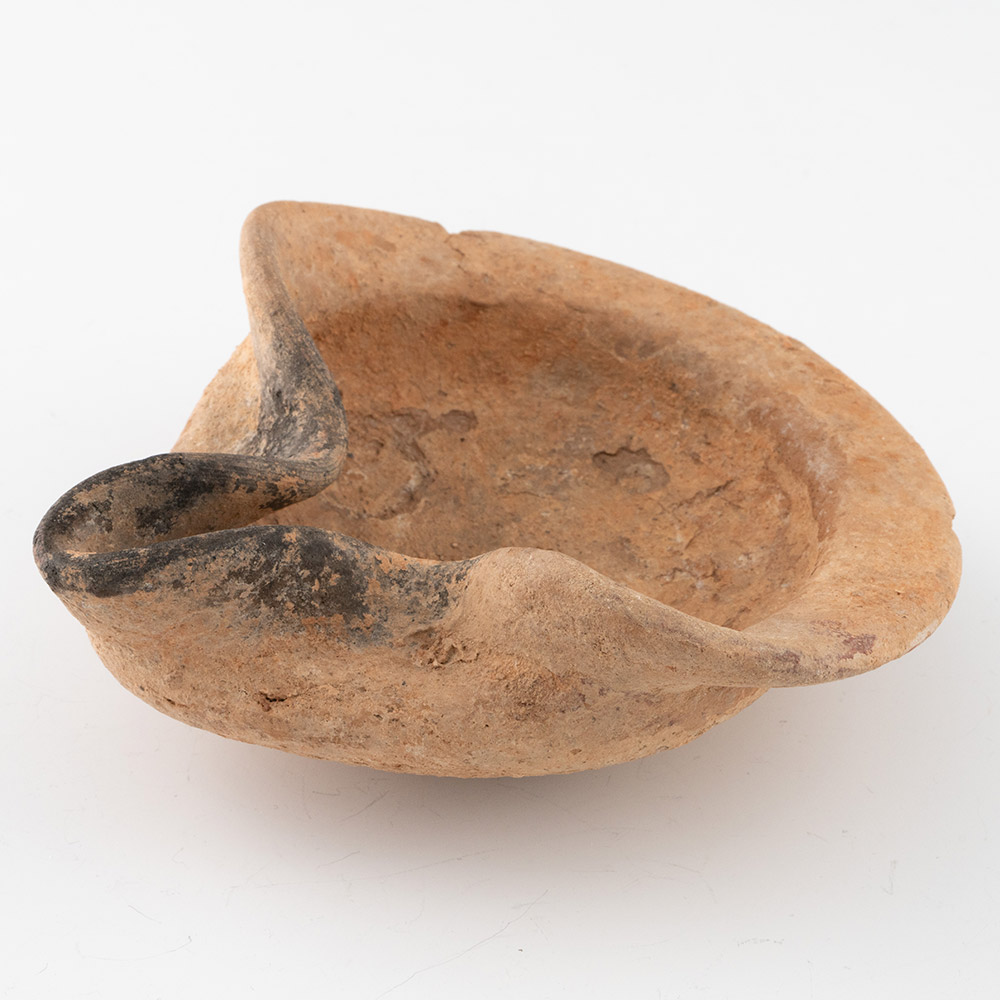
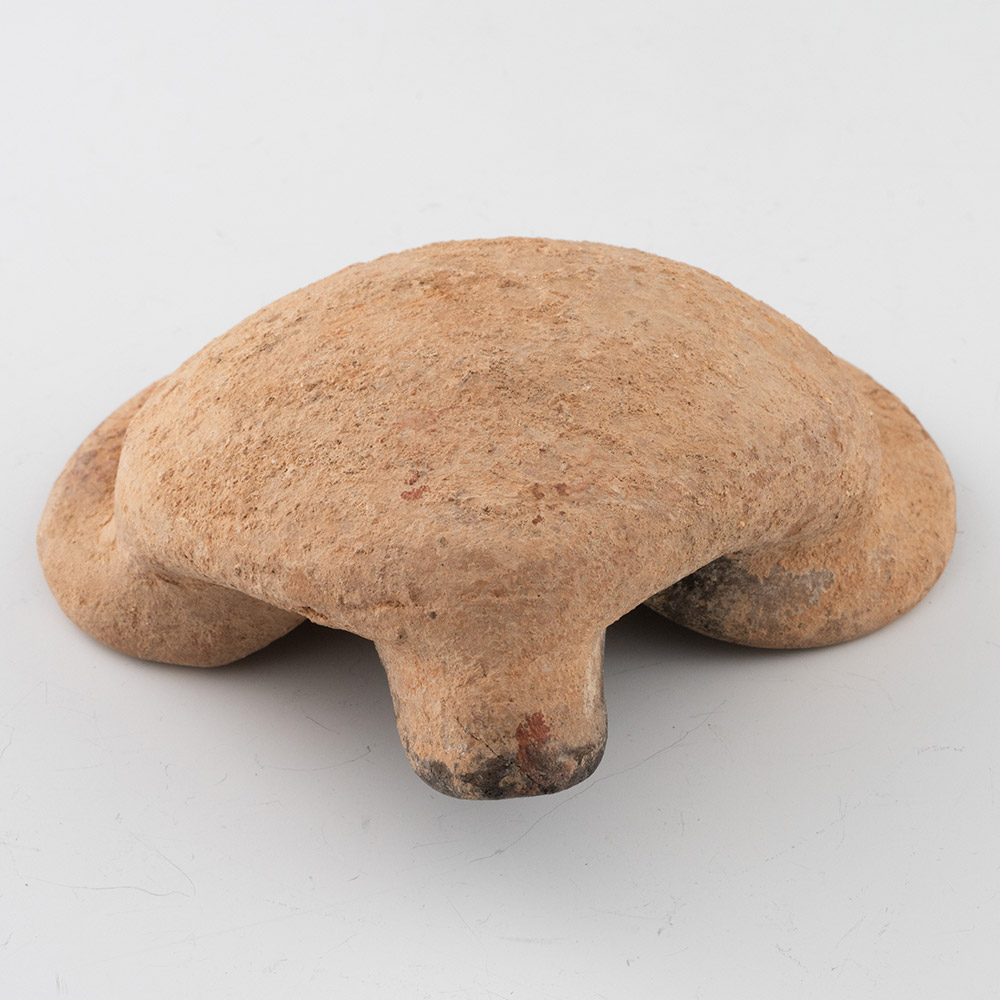
Condition: VF+ with evidence of use around the wick area
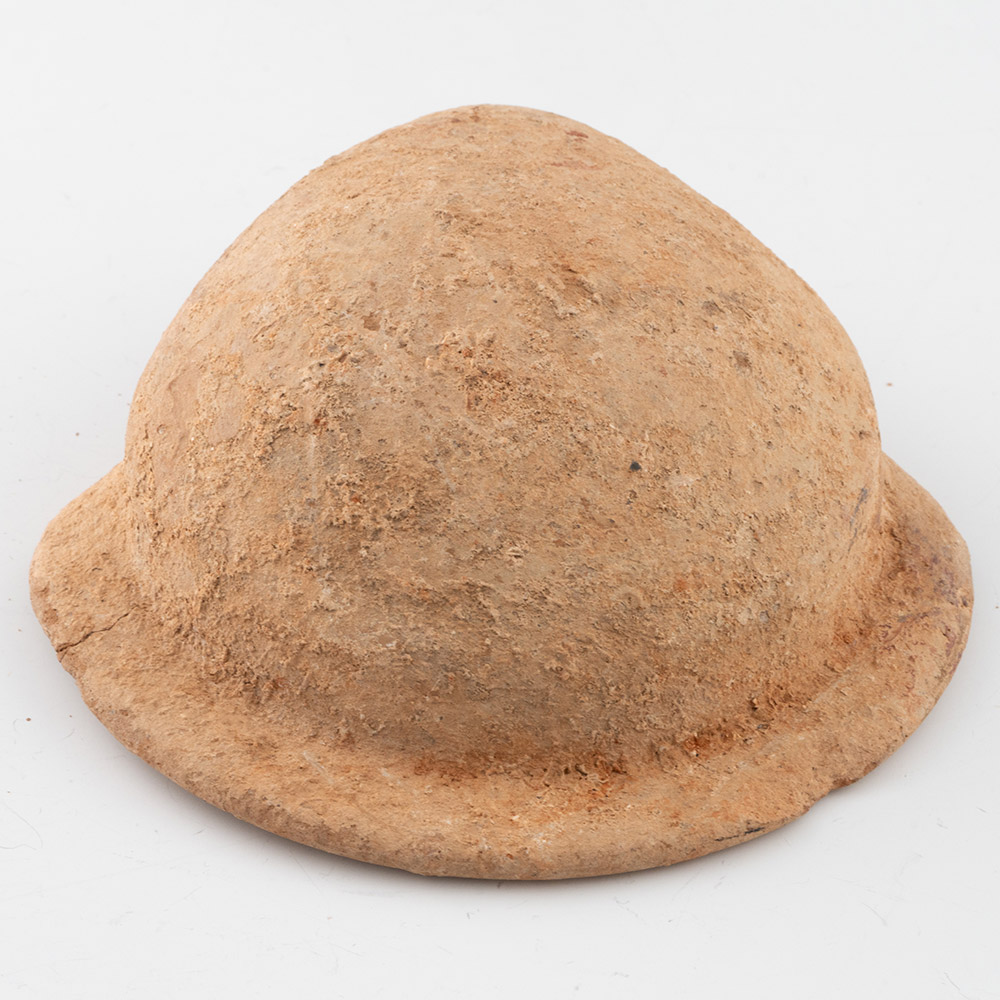
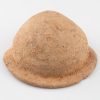
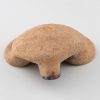
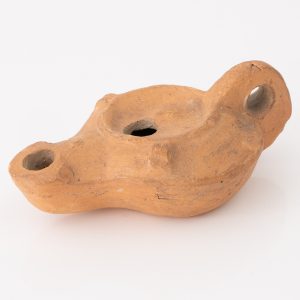
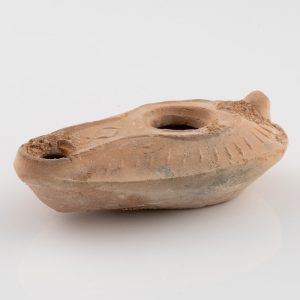
Description: A wheel made terracotta clay lamp with shallow bowl and one pinched spout. Vessberg type 1.
Size and Weight: 135mm x 126mm, 193g
Features and Provenance: Private collector purchase from ArtAncient London, previously the J. M. collection UK, and prior to that a clergyman.
Light was integral for security, work, ceremony and travel when the sun went down. Oil and animal fats were the only suitable resources for lamps and olive oil, in particular, was plentiful. A wick was coiled into the body of the lamp that had been filled, the wick soaked up the oil and the wick protruded through the spout and was lit. The first lamps appeared about 3000BC with four pinched corners, our example is later with the new improved one spout and called a ‘lychnus’. This version was so popular that it lasted for two thousand years with little change. Lamps like these were probably still being used during the lifetime of Jesus but with Roman influence lamp shape developed into the more enclosed slipper shape, made by pressing clay into a mould and then fixing the two halves together. Early production line factories were developed to make lamps, such was the demand.
Reference. See The Met Museum object number 74.51.1992
Condition Summary. This varies with the age of the artefact and there are grades between
Extremely Fine (EF). Very slight traces of wear, all parts of pattern etc present, visible and clear
Very Fine (VF). Some signs of wear on the higher parts of the relief. all parts of pattern etc present, but may be worn
Fine (F). Wear on the artefact and parts of item and pattern etc may be missing or not visible
Reviews
There are no reviews yet.