
Description
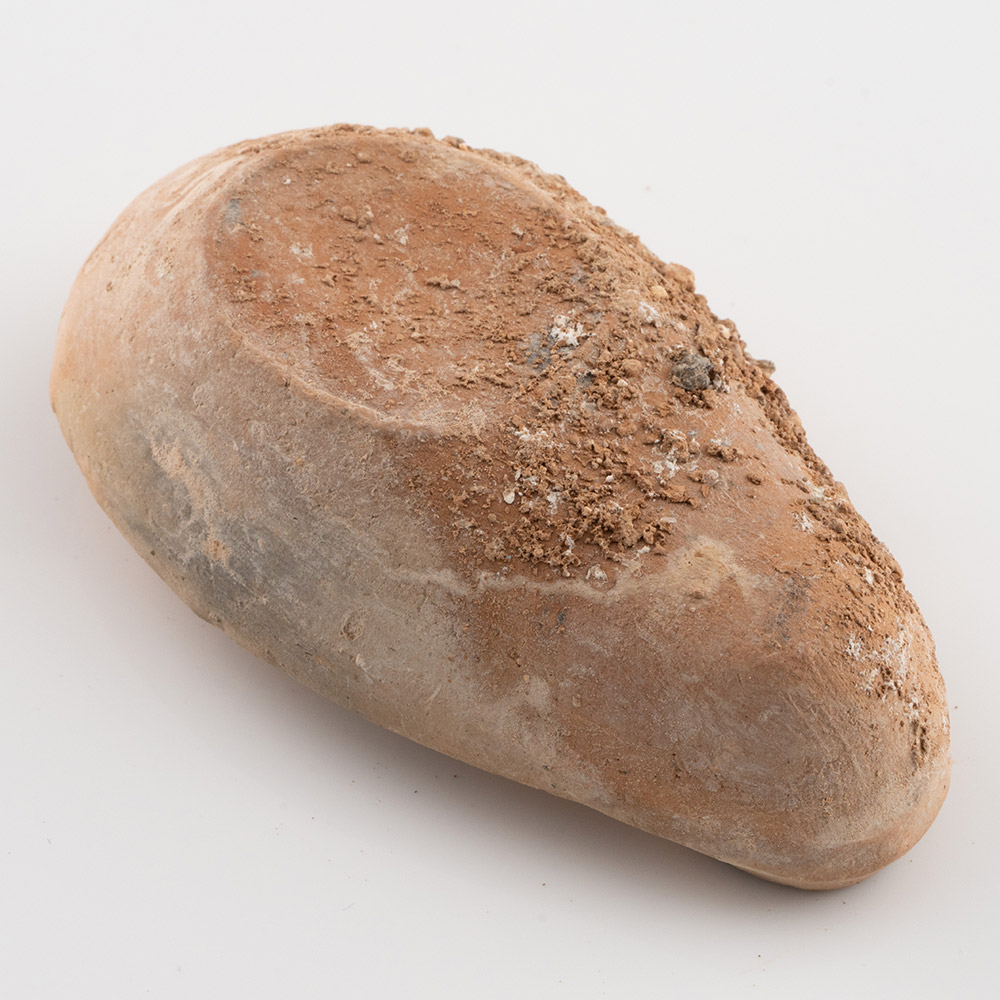
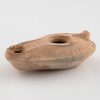
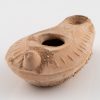
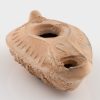
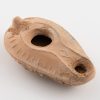
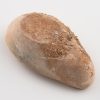
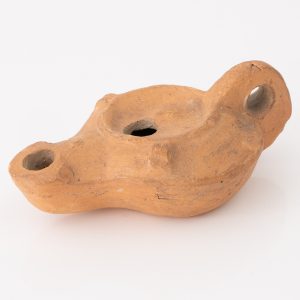
Heading: Terracotta oil lamp – Roman Judea 2nd to 5th Century
Material: Clay, terracotta
Period: Late Roman Imperial
Date: 2nd to 5th century AD
Origin: Roman occupied Judea, Eastern Roman Empire
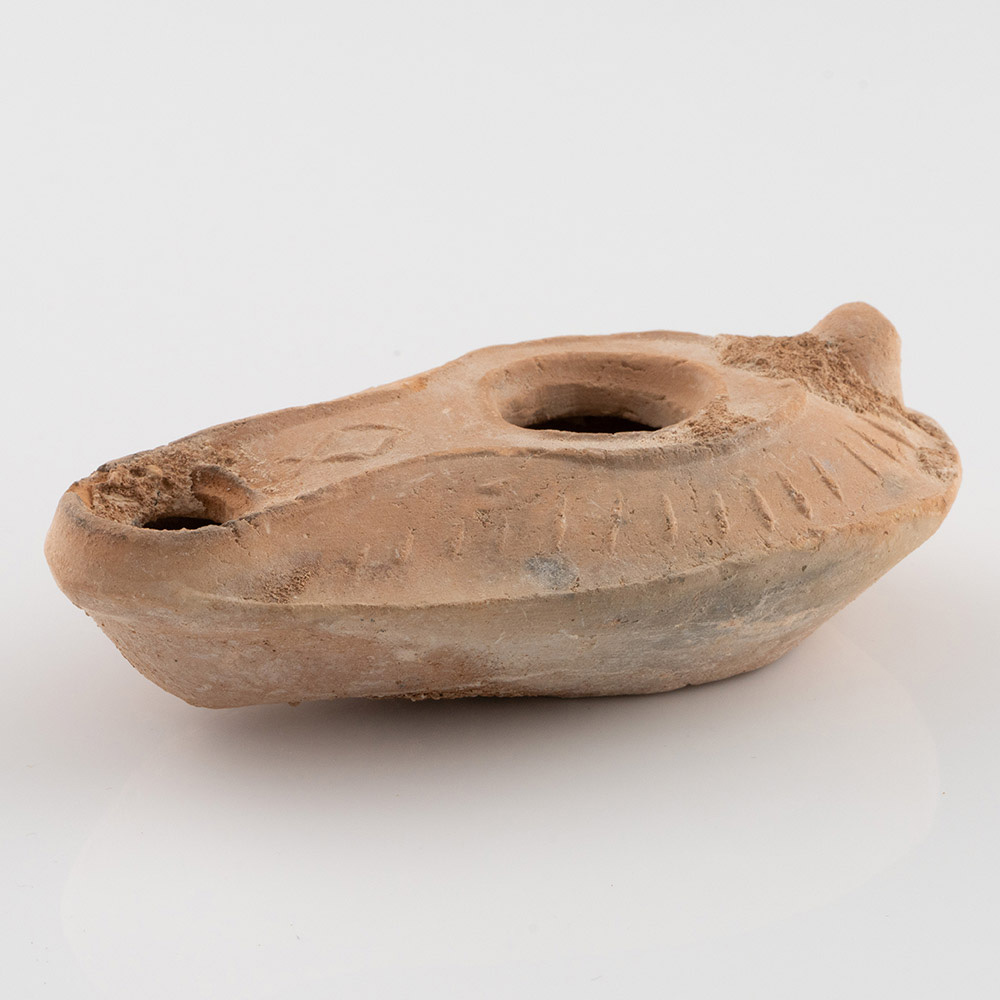
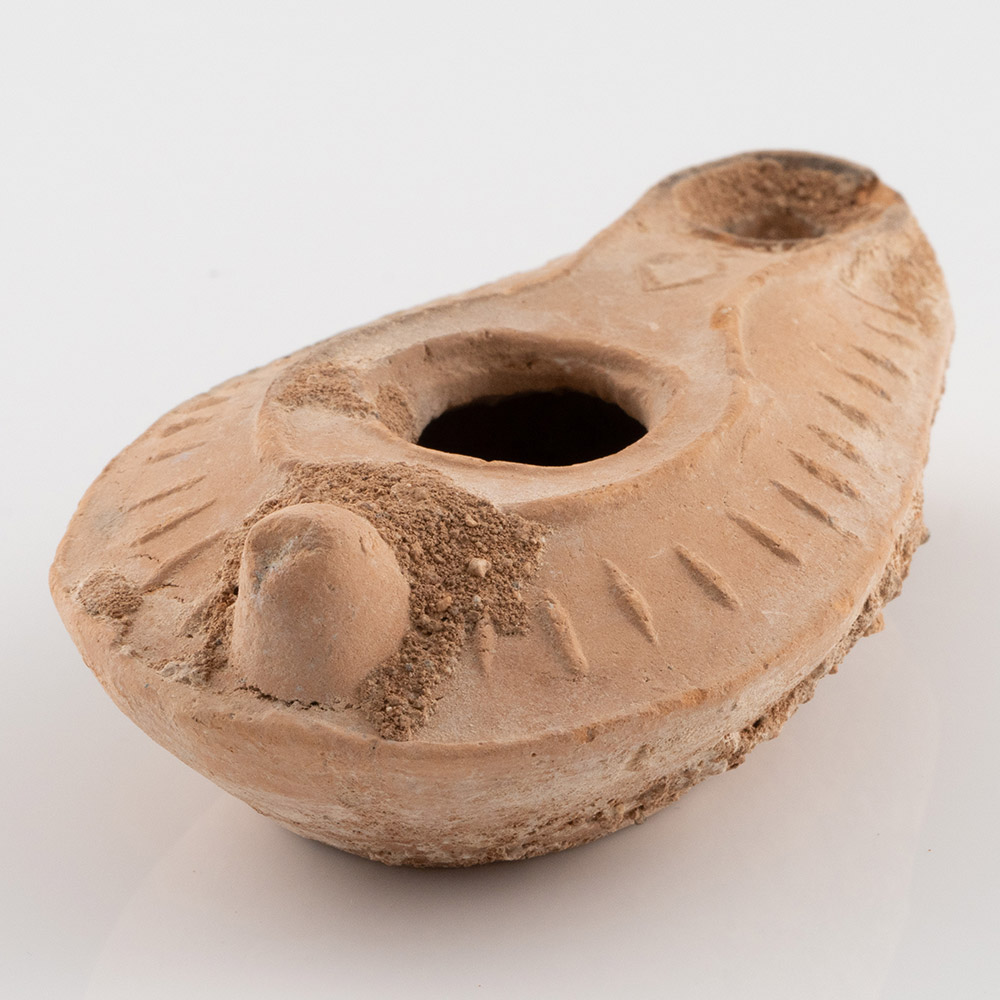
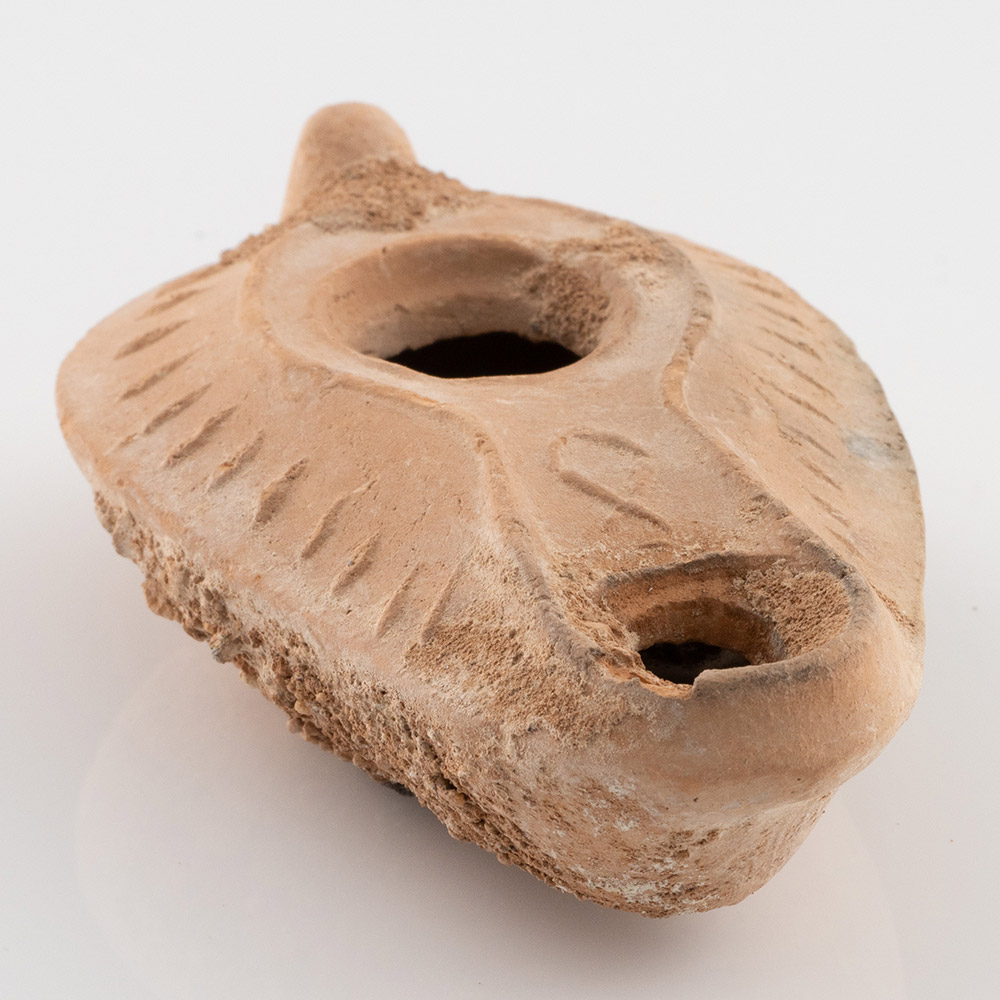
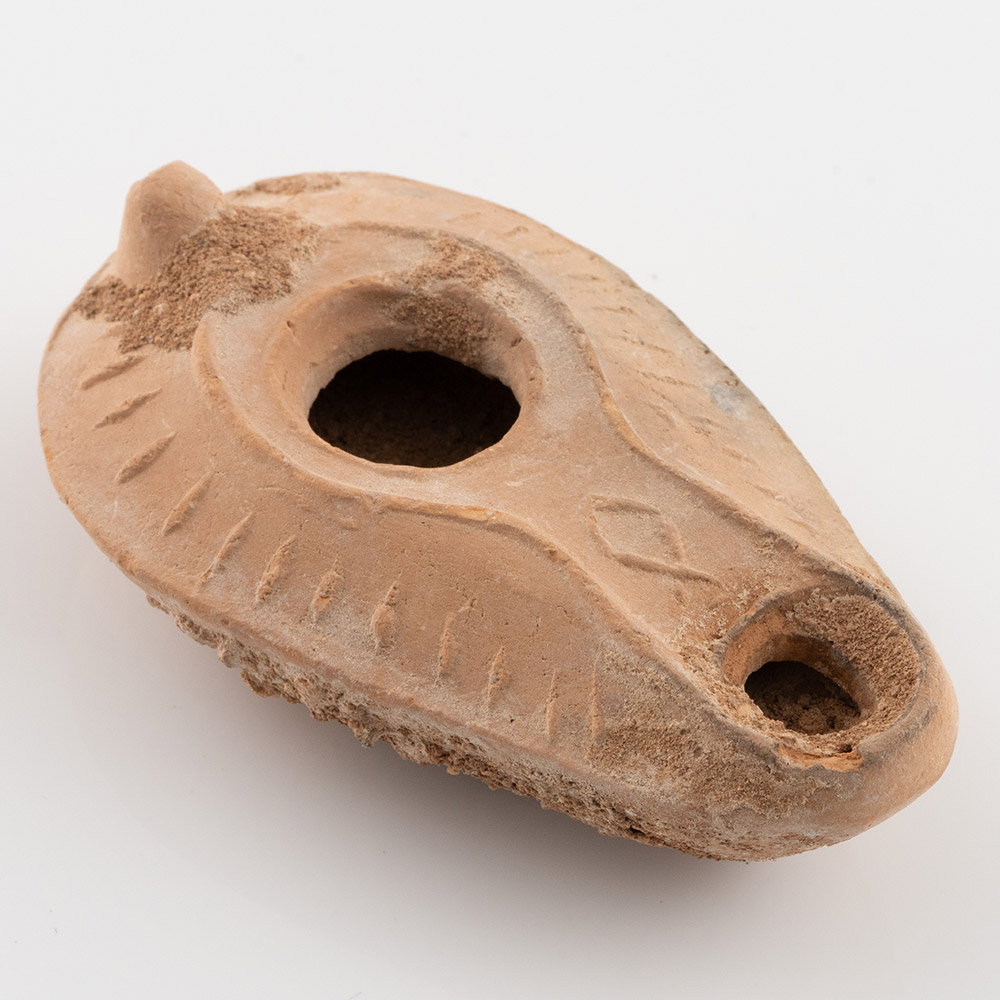
Condition: VF+, sandy desert encrustations
Description: A moulded clay lamp with palm-leaf or ladder and diamond motif, small lug to back
Size and Weight: 92mm x 53mm, 80g
Features and Provenance: Ex Pax Romana Auctions, previously from private UK collections formed in the 1980’s.
Light was integral for security, work, ceremony and travel when the sun went down. Oil and animal fats were the only suitable resources for lamps and olive oil in particular was plentiful. A wick was coiled into the body of the lamp that had been filled with oil, the wick soaked up the oil and protruded through the front hole and was lit. Lamps were made by pressing clay into a mould and then fixing the two halves together. Ever resourceful, the Romans developed early production line factories to make lamps, such was the demand. They have recently been differentiated into early period Samaritan lamps by the Milwaukee Public Museum. Also compare to those in the British Museum collection/object/X__734.
Condition Summary. This varies with the age of the artefact and there are grades between
Extremely Fine (EF). Very slight traces of wear, all parts of pattern etc present, visible and clear
Very Fine (VF). Some signs of wear on the higher parts of the relief, all parts of pattern etc present, but may be worn
Fine (F). Wear on the artefact and parts of item and pattern etc may be missing or not visible
Reviews
There are no reviews yet.